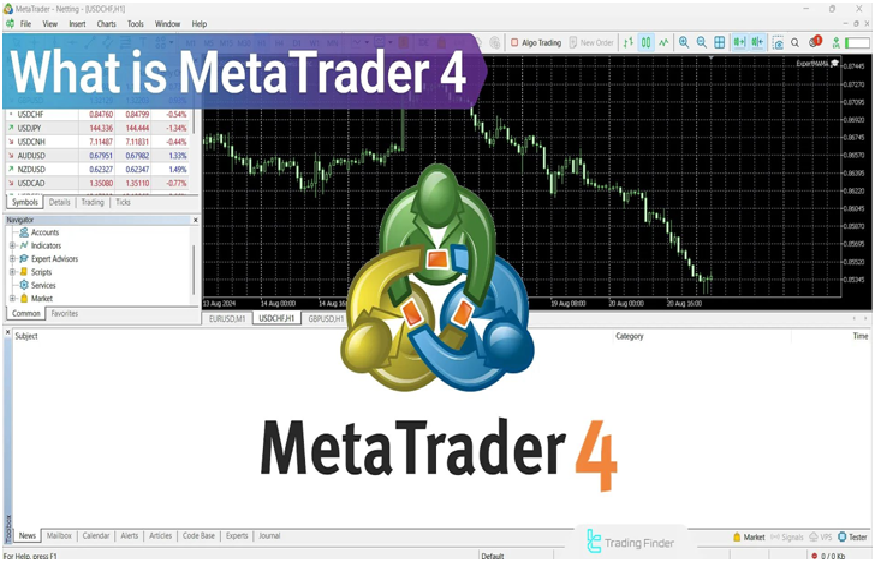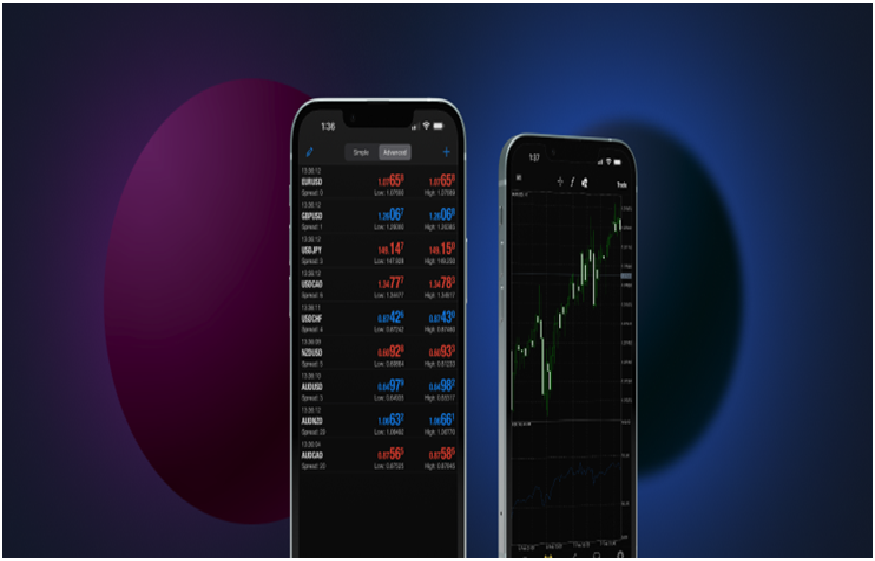

The newer platforms come with improved interfaces, modern design, and features that appeal to a generation of traders accustomed to polished mobile applications. Yet when Colombian retail traders enter currency and CFD markets for the first time, a significant number begin where traders would have a decade ago. The reason is not sentiment but practicality, rooted in how skills develop, how tools accumulate, and how community knowledge forms around a standard that remains embedded in the local trading conversation.
MetaTrader 4 did not earn its position through innovation alone. It has established itself as infrastructure. Supported by nearly every broker serving the Colombian market, the platform allows a trader who has learned its charting interface, order types, and indicator library to move between brokers without relearning the environment. That portability is a genuine advantage for traders seeking better conditions or more responsive support. Everything around the platform may change, but the working environment stays consistent.
Read More: Why MetaTrader 4 Still Feels Relevant for Traders Today
The charting and technical analysis toolkit aligns well with how most retail traders in Colombia approach the market. Trend lines, moving averages, RSI, MACD, and Fibonacci retracements are all available immediately, without additional installations or subscription costs. A trader entering the market for the first time does not need to configure a data feed, install a plugin, or pay for a separate analytical layer. These tools are present from the first session and lower the activation energy required to build a consistent analytical practice.
The platform’s scripting language, MQL4, has been in active use by traders worldwide for nearly two decades and has produced an extensive library of user-created tools. Traders in Colombia with a programming background can build their own indicators, while those without can draw from a large global repository of ready-made solutions. The extensibility allows the platform to grow with the trader rather than constrain them. A user relying entirely on built-in tools and one running a custom algorithm are working within the same environment, at their own level of complexity.
In Latin America, broker support structures have also been organized around this standard, reinforcing its reach. It serves as the reference environment in the majority of Spanish-language tutorials, YouTube walkthroughs, and community guides produced by trading educators from Colombia and across the region, most of which are built around MetaTrader 4 as the assumed standard. For traders across Colombia, a question about trailing stops or order execution is more likely to yield a clear, locally produced answer here than on any other platform. Community knowledge accumulates over time, and that accumulation reinforces whichever standard becomes embedded first.
Read More: A Beginner’s Way to Explore MetaTrader 4 Without Overcomplicating It
For a novice trader, debates about the functional superiority of newer platforms are largely beside the point. What matters is a proven environment supported by a wide range of brokers and backed by years of locally relevant content. When traders are ready for something more, MetaTrader 5 or web-based platforms are the usual next step. What kept them on the previous platform for so long, however, was never really the software itself. It was the brokers that supported it, the educators who taught with it, and the community that grew around it over time.