
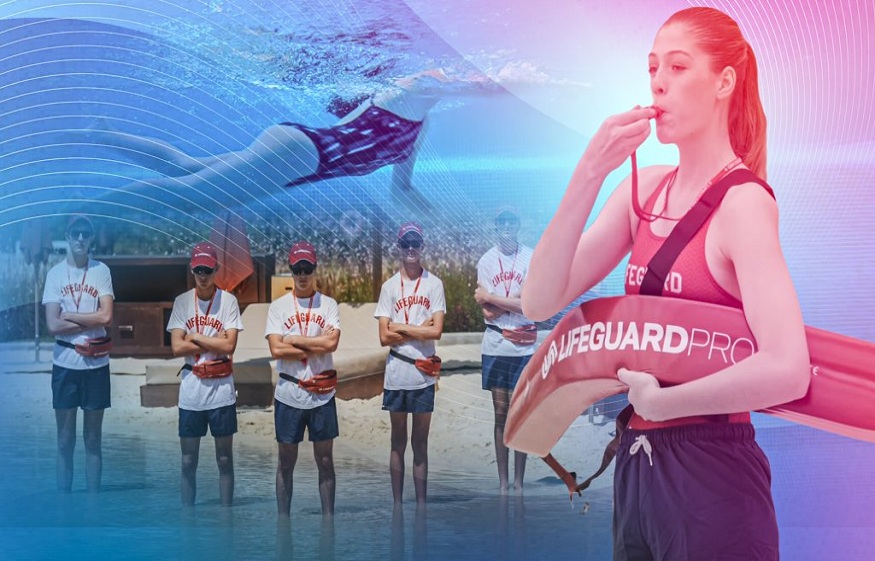
Society depends on professions that save lives. People who work in these professions commit themselves to assisting others in need and peril. Often saving lives, they offer safety and help in calamities. This essay explores the significance of helping people through life-saving professions, the instruction needed, the obstacles encountered, and how anyone wanting to embark on this satisfying road may begin.
Several Kinds of Lifesaving Positions
Several kinds of saving roles exist. The first thing many individuals consider most often is lifeguards. Some of the responsibilities of the lifeguards include making the aquatic place better and safer for the visitors.
Beyond lifeguards are emergency medical technicians (EMTs) who offer medical assistance at accident scenes. Often, firefighters save people from hazardous water circumstances. Search and rescue teams could handle bigger-scale events like missing people or natural disasters. Every part supports the others in building a public safety net.
Certification and training in lifeguarding
Becoming a good lifesaver calls for suitable education. Training for lifeguards imparts the skills and information needed to react to crises. This course examines first aid, CPR, rescue methods, swimming techniques, and risk detection. Additionally, on situational awareness and communication.
Many neighborhood centers offer lifeguard instruction open to those interested. One effective way to discover close alternatives is by looking for “lifeguard courses near me”. These courses get students ready not only physically but also cognitively for the responsibilities to come.
The certification shows they have satisfied the set requirements. Usually, certifications must be renewed after a predetermined time to guarantee continuing competence.
Read More: How Solar Contractors Combine Solar Panels and Battery Storage for Maximum Energy Savings
Challenges For the Lifesaving Professionals
Though difficult, working in lifesaving fields is fulfilling. Often, under scorching sun or chilly weather, lifeguards and responders have to stay alert for extended hours. The position calls for great swimming ability, good fitness, and the capacity to behave calmly under duress.
Every day, high-stress scenarios are a reality. Lifesavers have to make quick choices that could impact life. Often, they handle major injuries or scared swimmers. Particularly following challenging rescues, emotional stress can pile up.
Public misunderstanding presents yet another difficulty. Sometimes people do not collaborate or disregard safety regulations. To ensure everyone’s safety, life savers have to strike a compromise between power and compassion. Continuing learning and public awareness initiatives assist in mitigating these problems.
Satisfaction to Help Others
Saving lives offers great fulfillment even in difficult circumstances. Every day, lifesaving professionals witness the direct consequences of their efforts. They help families stay safe and avoid calamities. This service fosters pride and a great direction.
For many lifeguards, colleagues become lifelong buddies. Their teamwork in defense of people fosters trust and camaraderie. Lifesaving can also provide opportunities for additional training as well as other emergency jobs.
Start Lifeguard Career in not Difficult
Learning the fundamentals of water safety and rescue first is advisable for anyone intrigued by careers in saving lives. First and foremost, one must get local lifeguard certification. Most people have access to cheap or subsidized courses at many centers.
Once certified, volunteering opportunities might help one develop abilities. Many times, part-time lifeguards are sought for community activities, beaches, and swimming pools. Advanced first aid, water rescue methods, and emergency response training can continue for newly appointed lifesavers.
Remaining physically fit is crucial and should be a regular habit. Strong endurance, swimming ability, and agility are required for saving lives. Ongoing education guarantees that lifesavers remain current with the best standards.
Impact of communities and saving of lives
Lifesaving careers help whole communities rather than just people. Safe swimming locations promote leisure and tourism. Through water activities, schools and communities with qualified lifeguards advance health and well-being.
Programs sponsored by lifesaving groups help to educate adults and children about water safety. Knowing this fosters a safety culture and lessens mishaps. Local authorities also collaborate with life-saving specialists in disaster readiness.
Using Lifeguard training for Individual Development
Lifeguard training beyond the actual work provides priceless life lessons. Attendees acquire responsibility, discipline, and leadership abilities. In challenging circumstances, they grow confident. During practice and employment, collaboration and communication abilities grow.
These abilities fit other aspects of life as well. Future chances can start from careers in life-saving. Personal development and satisfaction both depend on the pleasure one gets from assisting others.
The part played by the American Lifeguard Association
Supporting life-saving professionals, groups like the American Lifeguard Association play a crucial role. Nationwide, they foster safety awareness, establish training requirements, and provide resources. The association guarantees high standards for lifeguard certification programs and helps people find top-notch lifeguard classes near them.
Furthermore, promoting lifeguard rights and welfare, the American Lifeguard Association also. Their work promotes greater working conditions and public esteem. They help lifesavers advance in their jobs by providing continuing education and networking possibilities. This aid increases the general impact of life-saving sectors.
Final Word
Some jobs are not just jobs but are services for humanity as a whole. Lifeguarding is such a profession that makes you helpful to others to make them safe, and when caught in a water hazard, lifeguards save people’s lives. Though difficult, saving lives and assisting communities bring great advantages. For those who wish to make a difference, going into professions in lifesaving provides a great route with plenty of options. Supporting and advancing this crucial work is anchored in the American Lifeguard Association.